Here's a little tidbit of good news to start your new year right. Last week a California appeals court upheld a previous, landmark ruling that organic farmer Larry Jacobs has the right to sue a neighboring farm for pesticide drift that occurs through volatilization. The lawsuit was on behalf of Jacobs Farm Del Cabo, whose organic herbs are sold in Whole Foods stores all over the country. Jacobs' farm was contaminated in 2007 when pesticides from a neighboring Brussels sprouts field volatilized and made their way to his fields, making his entire dill and rosemary crops unmarketable.
We hear on a pretty regular basis from organic farmers and gardeners in North Carolina who are frustrated and concerned about the risk of pesticides drifting onto their crops. This ruling may set a positive precedent for not only those farmers and gardeners, but also for farm workers who are often on the receiving end of pesticide drift.
There is of course, still plenty of bad news to go around. Here's a story about a group of South Carolina hunters who were hospitalized after they were exposed to the pesticide Temik while hunting. Temik is used a lot in North Carolina, and many of the violations that the NC Pesticide Board settles each year involve the mishandling of this particular toxic pesticide.
Here's to progress, and a whole new year of working to make harm from pesticides a thing of the past!
Monday, January 3, 2011
Good news for a new year

Wednesday, March 24, 2010
gardeners' tool: what's in your fertilizer??

The bag directed me to the company's regulatory website to read about the ingredients. That website directed me to this one: The Washington State Fertilizer Product Database. Hot dog!!
I looked up the "for organic gardening" fertilizer and discovered that it contained 37.9 ppm arsenic. Arsenic! Just to put that number in perspective, the EPA's arsenic limit for drinking water is 0.010 ppm. That makes the fertilizer levels more than 3,000 times higher than the EPA's limits for drinking water. It was also full of mercury, cadmium, lead, and plenty of other stuff that doesn't belong in my vegetables. And I want to put this stuff on my garden.... really?
Luckily we have a nice big compost pile in our backyard full of rich organic matter for the garden. We returned the bag of fertilizer (and told the store why we were returning it - they were a bit taken aback).
The good news is that you don't need to buy fertilizer additives for your garden - compost is easy to make at home. The bad news is that fertilizer is full of virtually unregulated contaminants. The Washington State database lets you find out what's there - but only after you've bought the stuff. The USDA should crack down on fertilizer makers. The rest of us can learn about organic gardening and make our fertilizer the do-it-yourself way.
Tuesday, February 23, 2010
America's Most Wanted Toxic Chemicals
by Andy Igriegas
Campaign Director, Safer Chemicals, Healthy Families
Reposted with permission
One way we'll know that Congress is serious about reforming the nation's chemical laws is by how they address a group of extremely dangerous chemicals that are the equivalent of the FBI's "Most Wanted" list: Persistent, Bioaccumulative Toxins or PBTs.
Some of the most notorious chemicals ever studied are PBTs - lead, PCBs, DDT, dioxin mercury, and cadmium. Many PBTs, including flame retardants and the stain-resistant perfluorinated chemicals (like PFOA used to make Teflon), are still found in products we use every day in our homes and places of work.
Persistent, toxic chemicals build up in our bodies and are passed on to the next generation. This is especially troubling to parents like Molly Gray, who want their children to have safe, happy and healthy lives that are free of toxic chemicals that may harm their health.
Molly's concern for this issue is deeply personal. Molly was part of a study that tested pregnant women for toxic chemicals; their developing babies were exposed to these chemicals during pregnancy.
Molly thought she'd test chemical-free because in the five years before becoming pregnant, Molly had done everything she could to reduce her exposure to toxic chemicals, including eating organic food, choosing low-mercury fish and avoiding personal care products with phthalates and fragrances.
Instead, despite taking precautions leading up to her pregnancy, Molly learned she had the highest levels of mercury – a PBT – of all the women tested in the study. And she tested above the national average for other chemicals tested, including phthalates, BPA, flame retardants, and "Teflon" chemicals.
We helped get Molly and her seven-month-old son Paxton to Washington, DC so she could tell Congress that what we don't know about toxic chemicals is harming real people, right now.
Senator Frank Lautenberg, who will soon introduce legislation to update the nation's chemical safety law, expressed concern, saying, " … in essence, the American public has become a living, breathing repository for chemical substances. And when the chemicals…show up on our children's bodies, we have a potentially dangerous situation."
The Safer Chemicals, Healthy Families coalition agrees with Senator Lautenberg. We believe it should be a no-brainer for Congress to put PBTs on a pathway to phase-out when it reforms
the Toxic Substances Control Act (TSCA).
Unfortunately, even no-brainer ideas have run into trouble recently, thanks to the lobbying efforts of the chemical industry. The chemical industry is trying to avoid action by convincing Congress that the right thing to do is to spend more years "studying" chemicals; chemicals that scientists have already shown to be notorious and dangerous.
Please write to your member of Congress to tell them that real TSCA reform will include taking immediate action to phase PBT chemicals out of commerce.
Monday, February 15, 2010
An awful tragedy (and what we can do about it)
Last week began with the terrible news that a 4 year-old girl in Layton, Utah was killed after gas from a powerful rat poison seeped into her home. Two days later, the girl's 15 month-old sister also died in the hospital. Both girls were buried by their family yesterday, on Valentine's Day.
The Friday before the girls became sick, an exterminator spread several times the recommended amount of Fumitoxin, a phosphine-producing rat poison for which there is no known antidote, in the yard around the girls' home to take care of a vole problem. The contractor failed to follow the label for the poison, which listed specific instructions for quantity and appropriate distance from buildings.
As heartbreaking as this story is, it's made even more so by virtue of the fact that it was completely, 100% preventable. Had the contractor chosen one of the many least-toxic alternatives, or even just followed the label instructions, we probably never would have even heard of the Toone family.
The bottom line, though, is that a product this dangerous shouldn't be available for casual use. Given the plethora of safer alternatives that exist, maybe we don't need Fumitoxin at all--many pest control companies have already stopped using it because it is so risky. Unfortunately the current process for restricting or banning a pesticide (or any chemical, for that matter) is convoluted and strongly favors the manufacturer.
Until now, that is. We are on the brink of big changes in our nation's approach to chemical regulation. There is a large movement building across the country to reform the Toxic Substances Control Act (TSCA)--a 30 year-old regulatory device that has never properly worked. While TSCA wouldn't directly change the laws which apply to pesticides (i.e. FIFRA), it will almost certainly lead to the reform of those laws.
Check out this beautiful video highlighting the need to improve the way we regulate ALL chemicals for the health of our children, ourselves and the planet. From there you can sign a petition, tell a friend, write a letter to your congressperson--whatever you want to do to show support for this long overdue reform.
Our hearts go out to the family of those two little girls, even as we continue working for a safer and healthier future.
Monday, January 25, 2010
Infestations Vacations
goofy but great home pest prevention video from US EPA
Thanks to Toxic Free NC board member Dr. Katherine Shea for sharing this link! The EPA recently released this funny little video - Infestations Vacations - together with a set of recommendations about preventing home rodent infestations. It's right on for preventing a lot of other home pest issues, too!
Rat poison - a.k.a. rodenticides - can be so dangerous, for kids, pets and a lot of non-rodent critters, so this is especially needed. Nice work EPA! Sorry it's not easier to share - that's EPA's fault, not ours. You can download copies of the video from their website pretty easily, though.
Tuesday, January 19, 2010
stopping the antibacterial overload
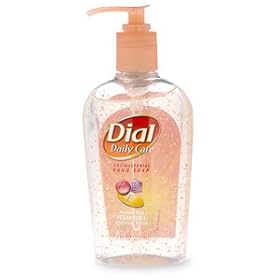
Last week Toxic Free NC joined Beyond Pesticides and 75 other public health and environmental organizations in asking the US EPA to pull triclosan off the market.
Triclosan is the anti-bacterial ingredient found in everything from hand soap to sweat socks, and concerns are building that the over-use of this chemical could be creating resistant bacteria. Triclosan is washed down the drain and contaminates both sewage sludge and drinking water, and is linked to a wide range of environmental and health problems. The petition asserts that EPA never considered such widespread use when it first registered triclosan for use in health care settings in 1972, and that these consumer uses should not be allowed.
Good luck trying to buy a container of hand soap these days that doesn't contain triclosan, or another anti-bacterial ingredient. Even though soap and water alone are strong enough to kill over 99% of bacteria to which you might be exposed, chemical companies have exploited our germ-phobias to sell us millions of dollars worth of unnecessarily-treated antibacterial products every year.
Learn more at Beyond Pesticides. You can read the petition to the EPA by downloading it here (pdf, 400 KB). I'm off to buy a bar of old-fashioned soap.
Tuesday, September 8, 2009
Questions about (Toxic) County Mosquito Control in Coastal NC
guest post by Amy Freitag
A good novel, one prepared to take me off to someone else’s world of romance and fantasy. Check.
Hammock, gently rocking in the wind, the taste of the air ever so slightly just flavored by the tomato plants nearby in full summer glory. Check.
I sat down, prepared to have a wonderful, relaxing afternoon to myself when I hear ‘bzzzzzt’. I would know that noise anywhere even if it weren’t directly in my ear. A mosquito.
‘Buzz, buzz, buzzzzzzut’. It tries again to get a good bite and then is joined by a friend. Great. So much for my afternoon.
I hate mosquitoes. I mean, who doesn’t? My afternoon scene isn’t foreign to anyone living in coastal North Carolina, that’s for sure. And apparently, this year’s the worst mosquito year in quite awhile, so the county has stepped up efforts to chemically decrease their numbers, as evidenced by the spray truck that comes by my house about once a week in the early morning under the banner of public health.
Wait, what?
As much as I hate mosquitoes, I’m not sure I’m ready to give in to the sacrifices of this practice that makes me think I’ve been surreptitiously transported back in time to a bygone era. One before Rachel Carson, the EPA, and the general understanding that pesticides are dangerous and should be handled with care.
So what about the cloud of chemical smoke that graced my porch this morning? Did I just become consumed in my little life bubble and miss the announcement that the county was spraying? Or was it really not announced? Did I ever have the chance of voicing concern over the practice?
A little bit of internet searching later, I found the section of the local government responsible for making such decisions: the Carteret County Mosquito Control Division, linked to Animal Control (yep, not linked to the state’s departments in charge of agriculture or pesticides, but entirely under local control). A quick call to their offices asking about the spraying I had observed that morning yielded the following information:
- mosquito control is done entirely on a county level, though practices are fairly standard and haven’t changed over the last couple of decades
- the control program uses a combination of sprays and pellets distributed in roadside ditches
- the following brands are used: Aqua-Reslin, Altosid SBG, Aquabac XT, and Altosid briquettes.
After a bit more time poking around the manufacturers’ websites (www.backedbybayer.com, www.altosid.com, and www.teamaquafix.com), I could identify the active ingredients and start connecting them to other information I knew in terms of impacts to human health and the environment. Like other chemicals, these pesticides are required to have a comprehensive label describing all the potential risks that come along with use and giving specific directions for proper handling in order to minimize those risks. This sheet was a good first stop for information – these sheets are federally required and under strict federal oversight to report all known risks. All of the products said to wash eyes or exposed skin for 15 minutes and to contact poison control if swallowed (do not induce vomiting or give them water). Here’s more specifics from what the labels say, my reactions and comments follow:
- Aqua-Reslin: Active ingredients are permethrin and piperonyl butoxide. It’s intended to be a space spray for adult mosquitoes. It is not to be applied within 100 feet of lakes and streams and exposed drinking water (such as fountains or cattle troughs). My favorite is the environmental hazards section: “This pesticide is extremely toxic to fish and aquatic invertebrates. Do not apply directly to water, to areas where surface water is present or to intertidal areas below the mean high water mark… This pesticide is highly toxic to bees exposed to direct treatment on blooming crops or weeds. Do not apply this product or allow drift when bees are actively visiting the treatment area.”
- Altosid SBG/briquettes: Active ingredient is s-methoprene, designed to kill larvae as dosed in their breeding pools. They mention no particular risks other than “do not contaminate water when disposing of rinsate or equipment washwaters”.
- Aquabac xt: Active ingredient is Bacillus thuringiensis, a bacteria that kills larvae of a wide variety of insects. They include the same statement about contaminating water as Altosid. These directions seem innocuous enough, easy to follow, and targeted at the nuisance. However, upon closer examination of the coastal environment upon which these chemicals are being applied yields a number of questions followed by surprise that these chemicals are standard practice considering the total effects.
Second, I’d like to tackle the 100 feet of lakes and streams directive. I live pretty close to the center of a fairly small island, surrounded by water on all sides just a few blocks from my house. Presumably, also, the spraying truck also covered the streets closest to the estuaries where some of the densest housing is located. Did they stay 100 feet from bodies of water that contain productive fisheries? Not if they went over a bridge.
Third, related to the question of bees. Most people by now have heard of colony collapse disorder (CCD) occurring across the country in honeybee colonies. These colonies are critical to agriculture, bringing pollen to stamens everywhere and allowing us to enjoy squash, tomatoes, eggplant, apples, peaches, and the list goes on. I’ve personally noticed a lack of honeybees in my personal garden this summer, rendering my beautiful vegetable plants sterile. I’ve even tried to do the job myself, out in the early morning with a q-tip trying to think like a hungry bee, but to no avail. I’ve had one tomato out of a plot of 3 tomato plants, 4 squash, 4 eggplants, and a more wildflowers than I can count. CCD (see http://www.oardc.ohio-state.edu/agnic/bee/ccd.htm for more information) is as of yet unascribed to any particular cause, but I have my guesses.
Finally, the more general point about “do not contaminate water” with the anti-larvals. Although this sounds simple, a couple of considerations may require a second thought. The area is comprised of soil made up almost entirely of sand, which allows water, pesticides, and any other runoff to directly enter the drinking water supply that sits directly below our island. Also, the tablets are applied to roadside ditches and puddles that connect directly to…you guessed it, bodies of water! Work by Costlow and Bookhout, professors at the Duke Marine Lab, in the 1970’s established that methoprene and permethrin directly kill blue crabs, shrimp, and other invertebrates in the estuaries. This not only disrupts the ecology of the estuaries (which, incidentally are federally protected preserves, the Rachel Carson Estuarine Research Reserve and the Lookout National Seashore), but directly costs the area jobs in terms of declining fisheries.
I encourage everyone to look into their local pest control programs and find out what the operating practices are. You might just be surprised.
guest post by Amy Freitag
Wednesday, July 15, 2009
Even Colbert is getting nervous about endocrine disruptors
guest post by Toxic Free NC volunteer Lowell Wood
A few weeks back I was watching The Colbert Report, when the only anchor I trust to give me the news (Stephen Colbert) sat down with New York Times op-ed columnist Nicholas Kristof. Kristof addressed how the endocrine disrupting chemicals found in pesticides and other agricultural and consumer products are deforming wildlife living in polluted watersheds.
In the video below, Kristof manages to excite Colbert with mention of male genital deformation. Before the interview completely deteriorates into potty humor and genital jokes (like all Colbert's interview inevitably do), Kristof manages to convey the growing concern many environmental scientists have with the abundance of endocrine disruptors.
(Warning: video contains potty humor and genital jokes as referenced above - sensitive audiences please beware!)
| The Colbert Report | Mon - Thurs 11:30pm / 10:30c | |||
| Nicholas Kristof | ||||
| ||||
A week prior to Kristof's appearance on the Colbert Report, he published an op-ed column in the New York Times on the same topic. In the article, he discusses a recent scientific statement from The Endocrine Society which cites mounting evidence that endocrine disrupting chemicals are having negative effects on our health, and urges increased precaution. Kristof goes into detail in the article about the chemicals' disruptive effects on reproduction and growth in animals, and the growing evidence that endocrine disruptors are negatively effecting humans as well.
This reminds me of our old friend Tyrone Hayes and his astounding work on hermaphrodism in frogs caused by the herbicide atrazine and other chemical pollutants.
Articles and videos like these underline the importance of environmentally sustainable practices in all fields; whether they be the products we use and interact with daily, or the less visible ones a few steps removed from us, like the pesticides used on the foods we buy. Information like this inspires me to raise awareness about how our actions are harming not only the world around us, but us human beings as well. It also encourages me to use the power I have as a consumer to change these evil ways by purchasing organic goods.
Join me! Watch the video, read the article, take action, and make change! Check out Toxic Free NC's website for ideas to help you get started, or call our office at 919-833-1123 to get more involved.
Thursday, June 25, 2009
FOOD, INC - A Film Review
Food, Inc - a documentary on the American Food System - will be opening in select cities around the country this summer, including Raleigh's Colony Theater on July 17th. Here's a review of the film from a Toxic Free NC volunteer, who saw the film this week in Texas.
Guest post by Ronald Wade.
There are simply not a lot of documentaries that capture and hold my attention. So, when I went to the screening of Food, Inc this week and the “shorts” and “previews” started, I paid attention thinking that at least I could be entertained by the trailers. And, I’d have something interesting to pass on after I did the compulsory words to the readers about how the director could have done a (fill in the blank) job while doing the (fill in the blank).
But, surprise! The absolute only negative thing that I can pass on was that it should have been twice as long. So, you won’t even get to know what the previews were since I’ll use the rest of the space to tell you what you’ll miss if you don’t see this MUST SEE film.
The documentary is not about the roaches in the restaurants and has very little about the unsanitary conditions of processing and packing plants, although it does exist. It doesn’t even dwell on excessively on the safety in the industry for the workers or the misuse of pesticides and chemicals; they are however mentioned as a by-product of the main theme.
Oh yes, the Main Theme: in our quest for fast, economical, and easy to prepare food, industry has stepped up to the challenge and provided us with the answer. Food production is controlled by a few very large organizations that have the ear and seats in government to ensure that farm subsidies can continue to provide profits in their pockets while producing products that are the unhealthiest in generations.
The film takes you thorough industrial mechanization where chickens are engineered to be the same size, weight, and consistency in order to facilitate production. It doesn’t matter that the animal can’t support its own weight and wallows around in the filth until sent to market. The film exposes you to the reality of corn fed beef, which produces bacteria within the animal which in turn produces toxicity for us when processed. Oh but they have developed ammonia baths that can kill the bacteria before it gets to us. Just what I wanted, cooking an ammoniated hunk of meat on the grill on Sunday.
One of the vitally important sub-themes to the film that will be of interest to each of you who regularly read this blog will be the emphasis put on buying organically produced and locally grown food.
Be prepared to hear about how toothless the regulatory agencies are in the face of what big business is doing. Be prepared to hear about the ruthless nature of a seed company that controls 90% of the soybean market because of patents that they hold on the seed, preventing anyone from competing in the market. Be prepared for how companies will help the government fulfill illegal immigrant quotas in return for quid pro quo of no raids on the production plants for the illegals.
Be prepared to hear how food is engineered to make us happy. Interestingly the point is made that salt, fat, and sugar occur in non-engineered and non-industrially produced natural environments in small percentage quantities. However since these are also foods that stimulate our brain's pleasure points, you will learn how those ingredients are leveraged in the foods we buy thus creating an appetite for more.
Be prepared to hear a mother tell the story of Kevin who went from being a healthy young boy on vacation, and 3 hamburgers later is being mourned because he was the victim of e-coli that shut down his vital functions in only 12 days. You'll hear her describe the tribulations of her advocacy work, trying to make the industry safer for all of us.
You’ll walk away understanding his SIMPLE solutions have their origins in our agricultural history. The movie will prepare you for the future battle: “The consumer’s right to know what is in their food.”
Watch a trailer or find out more at these websites:
Food, Inc - the movie website
The Humane Society
Review from The Chicago Tribune
Eating in Raleigh, NC - a North Carolina Perspective
Note: You’ll want to use caution when attending with children. There are graphic scenes that would have been disturbing to my family members had they decided to go to the matinee with me.
Monday, June 8, 2009
Time to end Endosulfan

Endosulfan has been blamed for severe poisonings and even deaths among farmers and farm workers, not to mention reproductive damage and birth defects. So why are we still using this stuff?
EPA is re-thinking its continued registration of endosulfan, and has recently re-opened a 60-day public comment period on the antiquated chemical. Take a minute to sign the United Farm Workers' petition to EPA administrator Lisa Jackson asking her to ensure that this dangerous pesticide is finally removed from the US market.
In North Carolina, endosulfan is still used on some vegetable crops, though there are myriad alternatives available. The National Agricultural Statistics Service reported that in 2007 endosulfan was applied to about 22% of tomato fields in our state - putting both farm workers and consumers at unacceptable risk of exposure. Because endosulfan is so persistent in the environment, traveling long distances and bioaccumulating in the food chain, it has been banned in more than 60 countries.
It's long since time the U.S. joined their ranks. To sign the petition, click here.
Thursday, May 21, 2009
How an herbicide in "organic" compost is destroying organic soils - A cautionary tale.
Guest post by Bruce Olive, hobby gardener, Olive Farms in Orange County, NC.
On February 9, 2009, Dow Chemical registered the website URL www.BanAminopyralid.com. They haven’t developed a website yet, just purchased the domain and squatted on it. Kind of strange for the company who actually makes a product called Aminopyralid. For those of you who are not farmers or gardeners, the word Aminopyralid most likely has no meaning. But for UK gardeners last year, and for many US gardeners this year, this hormonal herbicide used to kill weeds in hay and straw fields has become a nightmare.

Early signs of aminopyralid poisoning include leaf cupping, fernlike growth, and twisted vines. Photo by Bruce Olive.
Here’s the deal. In the tightly knit coven of commercial chemical and seed producers (often one and the same), agricultural extension services and growers/producers, “programs” is how the work of the farm gets done. A “program” consists of soil amendments, herbicides, pesticides and seed stock genetically modified to flourish in this chemical bath. You plant the right seed, you spray the right chemicals, and everything comes up roses. But unintended consequences have a strange way of showing up where you least expect them. Take the case of Aminopyralid for example. You get a great yield of hay and straw with the “program”, using Dow herbicide products such as Grazon and Forefront. You sell the beautiful, thistle-free, weed-free straw and hay to local horse and cattle farms, who are totally pleased with the thistle-free product. The horses and cows eat the hay, and bed on the straw. You compost their manure and the straw bedding, let it cook for a year or so, and then sell it to compost packagers and vegetable gardeners as “organic” compost, just the way you always have. But you don’t have any idea the compost contains a toxic herbicide with a 533 day half-life. Then the local extension service begins to get calls about twisted tomato vines with curly leaves, wilting eggplant, and droopy potato plants. Strawberry producers loose a season’s crop. Suburban gardeners report wilting zinnias.
And then you suddenly realize that the herbicide was in the manure, passed on through the animals, and has now contaminated the soil. And may continue to contaminate the soil for years to come. Recently pulled by Dow from the UK market due to its devastating impact on vegetable and flower gardeners, the true impact of Aminopyralid is only just now being felt in the US. While there were some reports of impact last year, it seems to be in the application of aged compost this year that is being felt on a growing basis. We appear to be running a year behind the UK in our cycle, but the spring of 2009 will be remembered by many local farmers and market gardeners as the “Spring of Aminopyralid”, and the cascade of unintended consequences that followed its use. Soil remediation is possible but can take several years. For certified organic farms this contamination will be treated as “an act of God,” so they will not lose their certification but will lose the infected land until it can be remediated.
So when Dow registered www.BanAminopyralid.com back in February of this year, they were undoubtedly expecting someone else to want to register it shortly after. Or perhaps they were simply being good corporate citizens, preempting the public outcry. Where this will go is anybody’s business. Being America, the likelihood of a class action lawsuit is probably greater than the likelihood of a ban on the chemical. In the meantime, beware of putting any manure-based compost on your garden, whether from a big box store in a plastic bag or from a local farmer in the back of a truck. Not to place any blame, but to understand that folks may not even know their compost is toxic. Test all compost and manure with small plantings BEFORE you apply to your garden. Unlike herbicides such as Roundup, the hormonal herbicide lets the plant grow for quite a while before destroying it. What looks like a curly leaf virus or aphid problems may not be what you think it is.
Our own garden is ruined for this year, with hundreds of greenhouse raised seedlings destroyed. We are currently remediating this land following directions from the Rodale Institute. Not to be defeated, we have in the meantime plowed up another patch and put it behind some electric fence.

The first step in remediation is don’t give up – plant a new garden with a deer fence!
By all means, continue to buy local, but buyer beware….the Dow slogan "bringing good things to life" is not necessarily referring to the life of the things in your deer protected patch of Piedmont heaven.
Tuesday, February 17, 2009
Government report slams EPA for poor regulation of chemicals

The financial meltdown isn’t the only crisis resulting from poor government regulation facing the American public right now.
In its 2009 High Risk priority report released January 22, the US Government Accountability Office (GAO) sharply criticized the US Environmental Protection Agency's (EPA) track record of safety testing for hazardous chemicals. This includes, of course, pesticides, which EPA is charged with regulating.
Recent articles from the Milwaukee Journal Sentinel and AScribe Newswire explain the numerous problems the EPA has had providing accurate and timely information to the American public. From the Journal-Sentinel article:
Weaknesses in EPA's system of chemical regulation ultimately hurt American families who are exposed to a plethora of toxic chemicals through their use of everyday household products - pesticides, cleaners, plastics, cosmetics, and more. The public is also exposed to a variety of chemicals in our food, water and air because of their use in agriculture and industry."The Environmental Protection Agency (EPA) lacks adequate scientific information on the toxicity of many chemicals that may be found in the environment - as well as on tens of thousands of chemicals used commercially in the United States," the GAO said. "EPA's inadequate progress in assessing toxic chemicals significantly limits the agency's ability to fulfill its mission of protecting human health and the environment."
(...)
"The EPA's ability to protect public health and the environment depends on credible and timely assessments of the risks posed by toxic chemicals, the GAO found. Its Integrated Risk Information System, which contains assessments of more than 500 toxic chemicals, "is at serious risk of becoming obsolete because the EPA has been unable to keep its existing assessments current or to complete assessments of important chemicals of concern."
The EPA urgently needs to streamline and increase the transparency of this assessment process, the report says."
For tips on how to reduce your exposure to pesticides and other toxics at home, from eating locally to staving off annoying bugs, check out the many resources available on our website. Toxic Free NC provides useful information for parents, resources for getting involved in the pesticide-free movement and a list of toxins commonly used on our crops (so you can make the healthier decisions!).
Wednesday, February 11, 2009
Triclosan - the secret pesticide
Guest post by Toxic Free NC volunteer Amy Freitag.
Or is it?
Triclosan is actually a pesticide that should be handled as the dangerous chemical it is. And yet, it can be found in regular old hand soap, and a whole mess of other consumer products.....pretty much everywhere! Just take a look at this list of places triclosan is commonly found:
- cosmetics
- children’s toys
- toothpaste
- plastic utensils
- deodorant
- shoes
- mops
- kitchen accessories
- bedding
- mattresses
- food storage containers
- sponges
- phones
Triclosan is considered nontoxic to humans because large doses are necessary to show negative effects. However, a few cases have been reported where ordinary daily use of a product containing triclosan caused the skin become photosensitive and break out in a rash. According to the CDC, the chronic effects of triclosan exposure can include interfering with thyroid hormone metabolism, which could cause hypothermic effects and central nervous system depression. Research has also shown that triclosan is a major contributor to antibiotic resistance because of the specific mechanism it uses to kill bacteria, and its widespread use in almost every household and workplace.
Although it may be less than totally effective at killing the offending germs that cause illness, triclosan and related antibiotics are highly effective at wiping out entire populations of natural, healthy bacteria that are necessary for the ecosystem and even human health. By removing the normal bacterial flora from our environments, we aren’t exposed to normal parts of the ecosystem, and then when we finally are, the result may be.... achoo! Seriously, one theory of allergy formation is that exposure to bacteria (within reason, of course) is actually a normal and necessary part of developing a healthy immune system.
As for the ecosystem, those bacteria fill niches in food webs, nutrient cycling, and disease resistance that contribute to the resilience of the environment in the face of threats such as global warming and development. The story with algae in streams and rivers is similar – they show drastic negative effects in the presence of triclosan, often downstream of wastewater treatment plants that don’t treat for pharmaceuticals. These algae provide the base of the aquatic food web that supports the entire system. If we remove that protection through our use of hand soap, we exacerbate the other environmental problems humans have come to bear on earth.
As if that all weren't bad enough, triclosan itself is not the only threat associated with triclosan use. How, you might ask? When exposed to sunlight, triclosan converts into carcinogenic dioxins. Research on the effects of triclosan and metabolites such as dioxin is still ongoing, which begs the question why the chemical is allowed to be so widely used without full knowledge of its impacts. That is a policy question that could take a book to analyze the answer to, but the future of these effects is in the hands of the consumer at this point.
So, convinced you want to avoid this ubiquitous chemical? Good luck! Heres's a "cheatsheet" with tips on avoiding products with triclosan from Environmental Working Group. It's a lot of information to digest, but there are two main changes you can make quickly and easily that will help a lot:
1) Wash your hands with good old fashioned soap and water. According to an epidemiology group out of the University of Michigan, it's the best way. The FDA is also beginning to figure this out, finally.
2) Read ingredient labels for soaps and cosmetics. Don't buy stuff that lists triclosan or the closely-related triclocarban.
No matter what type of soap you use, most germs are removed from your hands by the simple act of wiping them off. Soap and water help a lot, but you don’t need to go beyond that. If the germies are already off your hands and down the drain, does it really matter if they're also dead? For regular handwashing and personal hygiene, the relative ineffectiveness of antibacterial products combined with the very real threat of antibiotic resistance from their over use mean that antibacterial soaps could actually be doing more harm than good.
Wednesday, January 14, 2009
Environmental Causes of Autism
Rates of autism nationwide have skyrocketed over the past 15 years. Scientific American reported this week on new research coming out of CA finding that chemicals in our environment may be responsible for most of the rise. Which common but easy-to-avoid chemicals are high on those scientists’ list of suspected culprits? Some are things you might guess, and others maybe not.
From the Scientific American article:
"Dozens of chemicals in the environment are neurodevelopmental toxins, which means they alter how the brain grows. Mercury, polychlorinated biphenyls, lead, brominated flame retardants and pesticides are examples.
While exposure to some--such as PCBs--has declined in recent decades, others--including flame retardants used in furniture and electronics, and pyrethroid insecticides--have increased.
Mothers of autistic children were twice as likely to use pet flea shampoos, which contain organophosphates or pyrethroids, according to one study that has not yet been published. Another new study has found a link between autism and phthalates, which are compounds used in vinyl and cosmetics. Other household products such as antibacterial soaps also could have ingredients that harm the brain by changing immune systems, Hertz-Picciotto [the lead researcher in the study] said."
 Yikes! Maybe you're a parent or want to be one, or maybe you aren't - either way take heed that these chemicals are at the top of a list of things that are bad for babies' brains, and it stands to reason that they're not great for your brain either. Many of the same chemicals listed here are also linked with increasingly common health problems in adults, like cancer and Parkinson's disease.
So here's your list of stuff to avoid based on this article, and some tips for avoiding them:
* Flame retardants found in furniture or electronics. Tips from Environmental Working Group on avoiding them.
* Pesticides in general, with special caution about pet shampoos and other products that contain organophosphates and pyrethroids. There are lots of ways to avoid these, but I'll share a couple of the most relevant highlights: 1) Eat organic. (It's a perfect time of year to join a CSA - more on that in an upcoming tip!) 2) Use non-toxic methods to get rid of home and garden pests - check out ToxicFreeNC.org for more info, and also my past NewRaleigh posts. And, 3) if you have pets, use least-toxic alternatives to flea shampoo.
* Phthalates, found in vinyl, some cosmetics, and some plastics. Also associated with reproductive system disorders in male children. Augh. Tips for avoiding phthalates from the Pollution in People project.
* Antibacterial soaps, which commonly contain triclosan - actually a pesticide. Did you know that studies have found that regular soap gets just as much bacteria off your hands as antibacterial soap does? Tips for avoiding triclosan in soaps and other antibacterial products.
I'm planning to address each of these chemicals in more depth as part of my "Toxic Free NC Tips of the Week" series for NewRaleigh.com. If there's any in particular that you're keen to learn more about ASAP, please drop me a line.
Tuesday, September 30, 2008
Reviewing bad ideas on a case-by-case basis
Cast your mind back to last December, when I was railing at the EPA on this very blog for their wrong-headed and potentially dangerous proposal to allow "Cause-Related Marketing" on pesticide labels.
Cause-related marketing means, for example, selling a bottle of pesticide with the Red Cross logo on it, perhaps promising to donate a portion of the product's sale to the charity. As you can imagine, many people, including many state attorneys general, pesticide administrators from across US states, Toxic Free NC and our allies, went nuts. Good people like you sent in reams of comments to the EPA decrying the proposal, and the agency was forced to extend the comment period to accommodate them all.
The EPA heard us. They heard the public saying "ARE YOU INSANE?" and decided that they never should have told us about the idea in the first place.
Today the EPA released its decision on the matter: they have decided to withdraw the proposal and to discourage cause-related marketing on pesticide containers. This is almost like disallowing the practice, except not. Here's what they had to say about the matter in a news release:

"Although EPA will review any future application it receives, EPA is now generally discouraging the submission of applications to add cause marketing claims or third-party endorsements.What does that mean, exactly? Don't send us an application to put charity logos on your pesticides because it's potentially hazardous to human health and the environment, but if you do, we'll review it on a case-by-case basis.
"...If it receives such an application, the Agency expects to decide on a case-by-case basis both what information would be necessary to carefully evaluate the proposed claims and whether a product containing such a claim could meet the applicable statutory and regulatory standards for approval."
Come again?
This is like a mild victory for common sense, but without the sting of defeat. Plus the added bonus of secrecy. Something for everyone!
EPA says in its decision: "EPA recognizes that its resources are limited and should be targeted towards activities that will enhance protection of human health and the environment from pesticides." In other words, EPA's shouldn't waste its resources developing standards for evaluating label proposals, then sending them out for public comment again, revising them, notifying the public about pending applications, yadda yadda yadda. If they get an application, they'll just deal with it under cover of darkness - it's more efficient that way.
Is this a lesson in how to make everybody happy by sweeping the issue under the rug?
Under this decision, we won't know when EPA gets an application for cause-related marketing on a pesticide label, nor what standards they would use to evaluate it. If you should happen to find a bottle of Killz-All at the store with your local children's hospital logo on it, you'll know they approved one.
But that probably won't happen, because they're going to discourage it.
Friday, August 1, 2008
Win in Washington!
Good news folks! The EPA has recently announced a decision to ban traces of the toxic pesticide Carbofuran on both domestic and imported food, essentially taking it off the US market. Environmental and farmworker advocates have long been fighting for the ban.  Carbofuran is responsible for over a million bird deaths per year, and according to the Washington Post's July 25th coverage of the ban, the pesticide also kills bees, important friends we cannot continue to lose.
The Beyond Pesticides daily news blog reported that the "EPA has concluded that dietary, worker, and ecological risks are of concern for all uses of carbofuran. According to EPA’s website, all products containing carbofuran generally cause unreasonable adverse effects on humans and the environment and do not meet safety standards, and therefore are ineligible for reregistration."
This news comes along with the announcement of two suits filed against the EPA by a coalition of public health, farmworker, and environmental groups over the continued use of the toxic pesticides endosulfan and diazinon, as well as congress' decision to ban the use of 3 kinds of phthalates in children's toys. Change seems to be lurking everywhere in Washington right now.
What an exciting time to be interning in pesticide reform! I look forward to seeing what happens with the endosulfan and diazinon cases and updating Fair Ground readers on those and other news stories in the rest of my time here. Stay tuned!
Tuesday, March 18, 2008
Preventing poisonings
It's National Poison Prevention Week, and the US EPA is touting its big message to prevent childhood pesticide poisonings: lock up your pesticides. That's the word from Assistant Administrator Jim Gulliford in a podcast out this week from EPA. Poison Control Centers report that more than 50 percent of over two million exposure incidents each year involve children under six years of age, so to combat the danger, EPA wants us to put locks on the cabinets where we keep the poisons.
What a radical message. Every week EPA reviews new studies about how low-level pesticide exposure can increase children's risks for cancer, harm neurological development, increase the risk and severity of asthma, and on and on. Amendments to the Federal Pesticide Law in 1996, in response to the groundbreaking National Research Council report "Pesticides in the Diets of Infants and Children," recognized that children are exposed to many pesticides at once through their diets, water and surroundings -- at potentially hazardous levels -- and required new restrictions on agricultural pesticide use to reduce those aggregated exposures. EPA funds dozens of programs around the US to reduce children's pesticide exposure in schools, public housing and child-care centers through Integrated Pest Management.
So when it comes down to the public message, why is EPA telling people that the way to protect kids is to keep on using pesticides -- just lock them up when you're done? How about this for a protective message: hey, you've got kids in the house, and you really ought to quit spraying pesticides altogether. No exposure, no storage problems... no risk of accidental poisoning. That's a simple, straightforward message that will actually protect children.
For every category of potential household poison that Gulliford enumerated in the podcast, there is a simple non-toxic replacement. That's what the IPM programs that EPA supports are all about -- eliminate the risk by eliminating the poison in the first place. Is there a safer way to control pests? You betcha. It's also the safer way to prevent childhood poisonings.
Thursday, February 14, 2008
Just Say No to Endosulfan
The EPA is taking public comment on its review of the acutely toxic pesticide endosulfan until next Tuesday, Feb. 19. The EPA considers endosulfan a potential human endocrine disruptor, and mounting evidence links endosulfan exposure with increased risk of autism and delayed puberty in boys. Endosulfan is already banned in Cambodia, the Philippines and most of Europe, but is still used in many other parts of the world including India and the U.S. In North Carolina, endosulfan is used on cotton, tomatoes, potatoes, apples and tobacco, with the highest concentrations of use in Eastern NC.
Our friends at the NC Conservation Network are conducting an online petition calling for a complete ban of endosulfan. Take a minute and let the EPA know where you stand!
It's worth noting that part of the reason these highly toxic chemicals are still around is that the people most affected by their continued use--farmworkers--are largely disenfranchised. Current laws not only fail to protect workers from the misuse of pesticides in the field, but they also fail to protect them from retaliation if they dare to file a complaint about it!
Picture a world in which farmworkers aren't hiding in the shadows, and you'll see a world in which toxic pesticides like endosulfan are a thing of the past.
Friday, December 21, 2007
Close the year with a letter to the EPA
Federal agencies are notorious for doing their dirty work over the holidays, when the rest of us are busy warming up the egg nog and putting our feet up by the fire. It looks like 2007 will be no different, as EPA is looking for public comment on a proposal to allow cause-related marketing on pesticide containers - due date: December 31st.
This is not a joke. Imagine browsing the pest control aisle at the big-box home improvement store, and along the aisle you notice bottles of Spectracide with the UNICEF logo on them, bags of Weed & Feed with a symbol that says "10% of this purchase goes to the US Youth Soccer Association!," or bottles of Clorox with the Red Cross logo. Sound fantastical? Confusing? Potentially dangerous? That's exactly what EPA is proposing. You can read all the sordid details on Beyond Pesticides website, and you'll find the EPA's proposed rule on Regulations.gov.
Seven state Attorneys General have already spoken out against this plan, and EPA is taking public comment over the holidays (think they're expecting many letters?) If you've got a few minutes before the egg nog is ready, consider sending a letter to the EPA about this one.
Here's what Toxic Free NC will be saying in our letter to EPA Administrator Stephen Johnson:
- Placement of the Red Cross and other safety or environmental symbols on commercial poisons is inherently misleading and violates federal and state laws and EPA guidelines. The symbols themselves may imply health and environmental benefits that conflict with the product's actual properties and regulatory status.
- Extraneous claims and symbols may distract consumers from safe usage label instructions. It is critical that consumers be able to understand and carefully follow label instructions in order to prevent serious harm from pesticide misuse.
- The proposal inappropriately involves a regulatory agency - the EPA - in corporate marketing schemes. Cause-related symbols may imply an endorsement of the product by either the EPA or the charity.
- We request a 30-day extension of the comment period to allow for adequate public participation in this important regulatory decision.
Thursday, December 13, 2007
Taming termite terrors, plus some concerns over chlordane contamination
 A pest to fill every homeowner with dread - termite!!
So, one big question I have is this: Since the buggers were in my house before, it must have been prone to infestation in some way, and may still be. How can I prevent future problems, without resorting to pesticide treatments?
So, I checked out Beyond Pesticides' factsheets on alternatives to pesticides for termite control, and particularly liked this article - Taking the Terror Out of Termites (link downloads 152 kb PDF file). You can check it out for their recommendations. In a nutshell, termites like moist wood, so moisture reduction is a major component of preventing termites. And, there are several least-toxic and non-toxic treatment methods available, so a chemical arsenal really shouldn't be necessary.
Another big question on my mind has to do with the past infestations in my house, and how they were treated. This house was built in 1950, and I have no idea when termites were an issue in that nearly sixty-year history. From 1948 to 1988, a common method of treating termites in the US was a chemical called chlordane, an organochlorine pesticide related in structure to the likes of DDT, aldrin, lindane and endosulfan. Chlordane was applied to the soil around and under the house to act as a chemical barrier to wood-boring insects. It was banned for use on food crops in the US in 1978, and for use as a termite treatment in 1988, due to rising concern over health and environmental impacts. Exposure has been linked to increased risk for a host of health problems, including some types of cancer, neurological problems, and fertility disorders. A really worrisome finding from an article in today's Vancouver Sun:
"(...) Researchers found people with the highest levels of a certain type of insecticide in their blood had 2.7 times the risk of developing non-Hodgkin lymphoma as those with the lowest amounts.
That strong link involved a metabolite of the insecticide chlordane. (...)"
Some highlights (or lowlights, in this case) from the ATSDR public health statement for chlordane (emphasis is all mine):
"Chlordane is known to remain in some soils for over 20 years. Persistence is greater in heavy, clayey or organic soil than in sandy soil."Oh no! So along with all the fumes from the glues, finishes, paints, and carpet in my house, I may also be breathing fumes from pre-1988 chlordane treatments that are seeping up through my floorboards! I'm trying not to panic - after all, stress is bad for your health, too, and every house I've ever lived in (and that most Americans have lived in!) was built before 1988 and probably carries some level of chlordane. It's a common, though no less unfortunate contaminant of the home environment.
"Today, people receive the highest exposure to chlordane from living in homes that were treated with chlordane for termites. Chlordane may be found in the air in these homes for many years after treatment. Houses in the deep south and southwest were most commonly treated."
"You may come into contact with chlordane while digging in soil around the foundation of homes where it was applied to protect the homes against termites."
Based on what I've read about chlordane and other similar chemicals, I have a few ideas for ways to reduce my risk of exposure at home, and to improve my indoor air quality overall:
- Ventilation. I've got window screens and ceiling fans, so I'm ready for lots of fresh air in the spring, summer and fall...and also on freak 80-degree days in the winter, like today!
- Cleaning - especially dusting. This could be more of a challenge - I'm not exactly a neat freak, but I understand that chemical contaminants in indoor air settle with the dust in a room onto the floor and surfaces. So, mopping and dusting regularly with natural cleaners like borax, baking soda, and Dr. Bronners soap will be helpful to get rid of any chemical residues, and to prevent cockroaches, dust mites, and a bunch of other pests and allergens too.
- Mulch. While having mulch in direct contact with the side of my home is a bad idea, since it can harbor pests and trap moisture along the foundation, laying mulch over some of the possibly-contaminated soil around the perimeter of my house is sounding like a better and better idea. I have a dog who will be spending a lot of time digging around in the dirt in my yard, and she can't exactly take off her shoes before entering the house to avoid tracking in contaminated soil! Mulching over the soil that's most likely to be contaminated could be a good way to prevent her from digging in it and tracking it in, and will also help to keep down weeds.
- Soil mitigation. I'm planning for a little herb and vegetable garden in the backyard, not too far from the back wall of the house. I might need to get a soil test to check for chlordane contamination before planting edible plants, or at least put in some relatively "clean" compost or topsoil to reduce contaminant levels in the soil.
I'm going to keep looking into both questions over the next couple months, and will report back with my findings and keep you all posted on what I end up doing. In the mean time, I'd love to hear your thoughts on the matter, and any tips you have for either preventing termites without toxic chemicals, or for getting chlordane and other chemical contaminants out of my home and garden. Please leave me a comment with your suggestions. Thanks!

